The Shape of a Good Travel Day: Why One Anchor Can Be Enough
One-anchor travel day planning helps you build a travel day around one meaningful commitment, with clear transport and meeting details that keep the rest simple.

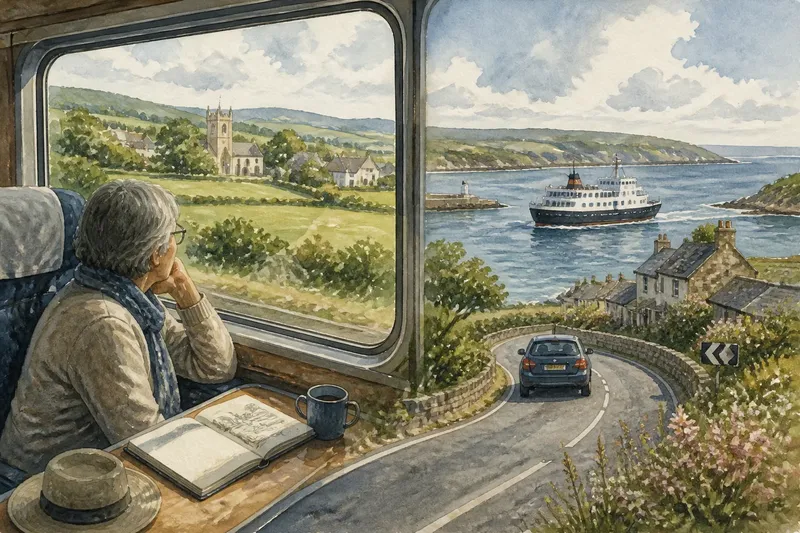
You reach the station after a long train ride and find that your afternoon ceramics workshop starts nearby. One-anchor travel day planning can make that workshop the day’s main commitment while keeping other practical needs visible.
For older travelers, the useful question is not how many sights fit around an appointment. It is whether the day has a workable route, a place to pause, and a clear plan for getting back. The anchor gives you a reason to go out; the logistics determine whether the day feels manageable.
Choose a workable anchor
An anchor is one planned activity or destination that matters to you: a family meal, a garden visit, a concert, or a craft demonstration. Choose something with a clear purpose, not merely a famous name. A small local exhibit may suit you better than a crowded attraction if you want time to read, sit, and talk.
Match the activity to the day’s practical conditions. Check the venue’s current hours, reservation rules, entrance location, seating, and accessibility information. If a mobility, hearing, or other access need could affect the visit, contact the venue directly and ask about the specific arrangements you need.
Keep the day’s effort in view. A long visit or complicated journey may be enough on its own. Avoid treating nearby sights as automatic add-ons; distance on a map does not show whether the route has stairs, steep streets, or comfortable places to rest.
Plan the essential logistics
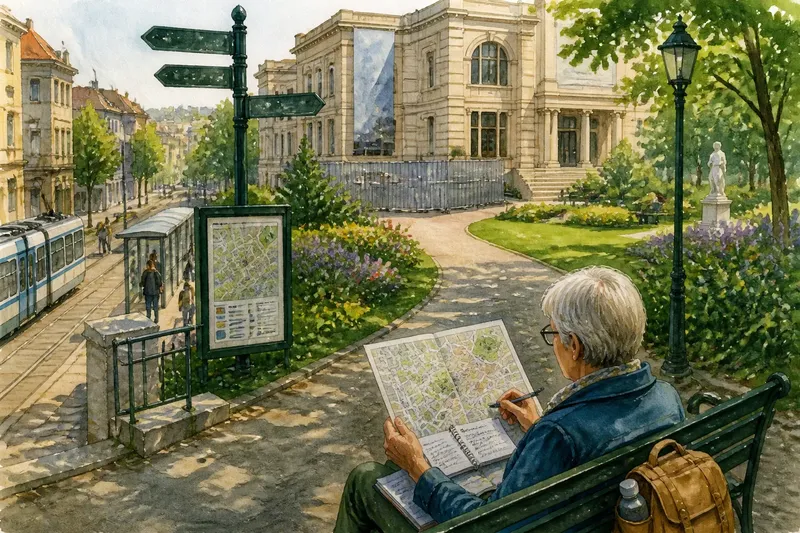
Before leaving, write down the anchor’s address, start time if it has one, and the entrance you plan to use. Choose how to get there and how you would return if the original route becomes inconvenient. Save the details offline or carry them on paper in case your phone battery or connection causes trouble.
Identify practical stops rather than building a second sightseeing itinerary. Note a restroom, a place to sit, and a suitable meal option near the route. If you use a cane, walker, hearing device, or other equipment, check its battery or condition and bring what you normally need for an outing.
- Check the venue’s current opening information; if it is open at a workable time, keep it as the anchor, but if hours conflict, choose another activity or day.
- Check whether an advance booking is required; if a reservation is available and suits your schedule, book it, but if not, select an activity that accepts visitors without one.
- Check the route for stairs, steep sections, and transfers; if it fits your needs, save it, but if it does not, choose accessible transport or a different route.
- Check where you can sit during or after the activity; if seating is available, note its location, but if it is not, ask the venue about options or choose a place with seating.
- Check the return route and its operating details; if it remains usable later, save the directions, but if service ends early, arrange another way back or shorten the outing.
- Check the meeting point with any companion; if you can both identify it, keep it as agreed, but if it is confusing, choose a clearly named entrance or nearby landmark.
Keep the group clear
A shared outing works best when everyone understands the one commitment and the practical details around it. Agree on the meeting place, return plan, and what to do if someone needs a break. If one person wants to continue browsing while another rests, decide where and when to meet again.
Say you and a friend are staying near a central square and want to visit a covered food market. You check the market’s current hours, confirm that the route avoids the station stairs, and save a nearby café as a sitting option. You agree to meet at the market’s main entrance after browsing. If the route proves tiring, you can take a taxi back instead of adding a canal walk; the tradeoff is missing that extra stroll, while keeping the shared visit and a straightforward return.
Questions about planning?
How many activities should I plan?
Start with the anchor and essential logistics, then add another commitment only if it has a clear purpose and leaves enough time for travel and rest. If the day feels crowded on paper, remove the least important stop.
Should I book meals in advance?
Book when a specific meal or gathering matters, or when the restaurant requires it. Otherwise, note an area with suitable choices and decide based on the day’s timing and appetite.
What should I do if the venue closes?
Check for an official schedule update before traveling there. If the visit is canceled, choose a nearby alternative that meets the same need, such as a quiet indoor place to sit, or return to your accommodation.
How can I make a plan easier to follow?
Keep the address, arrival details, transport route, and meeting point together in one phone note or on paper. Share the same information with your companion so neither of you has to reconstruct the plan while out.
Leave the extras out
It is not worth researching every café, side street, or photo stop in advance. A few practical options are useful; a backup plan for every possible mood adds notes without resolving a real problem.
One-anchor travel day planning works best when the anchor and the return route are both clear. Before bed, check the next day’s essential details and set aside any information you will need at the entrance or on the way home. That small preparation leaves you free to spend attention on the place itself.